31 Jul 2026
Barometric pressure swings reshaping endurance thresholds across marathon equine events and prolonged team invasion contests
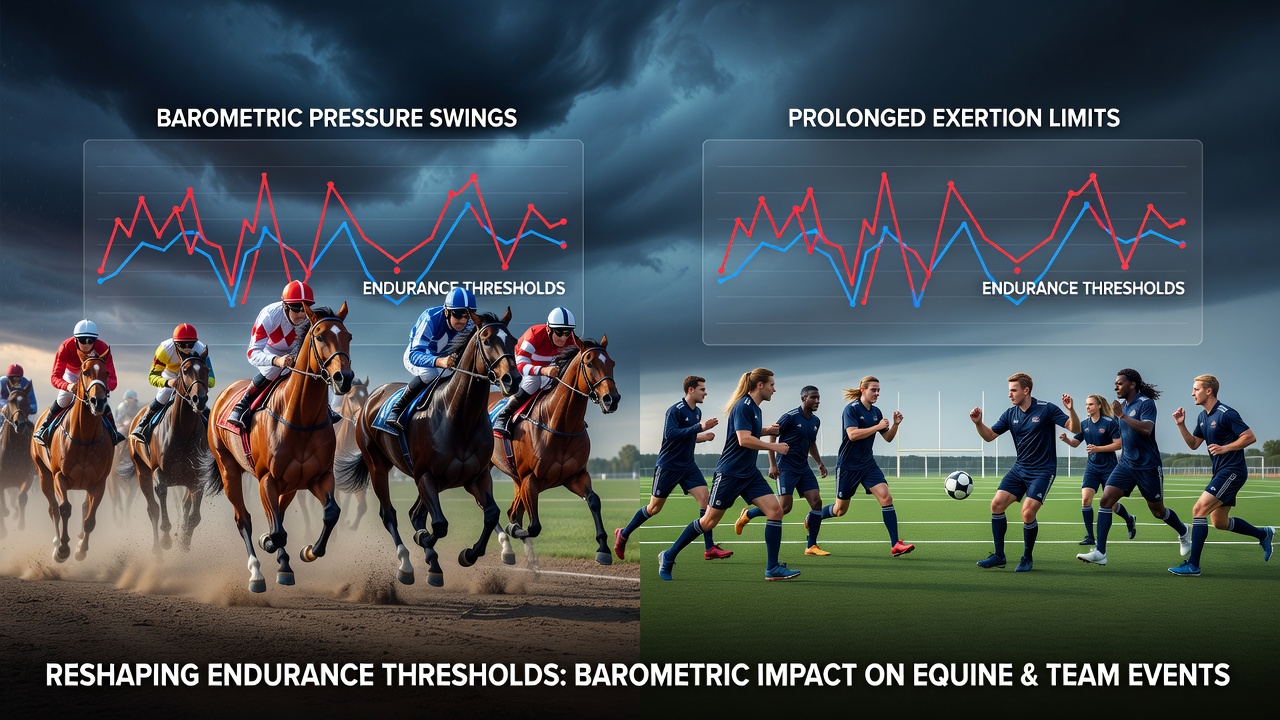
Barometric pressure swings have long influenced physiological responses in both equine athletes and human competitors, yet recent observations show these atmospheric shifts now alter endurance thresholds more noticeably across marathon equine events and extended team invasion contests, and data collected through 2026 continues to highlight measurable impacts on oxygen uptake, hydration rates, and muscle recovery timelines.
Atmospheric mechanisms at play
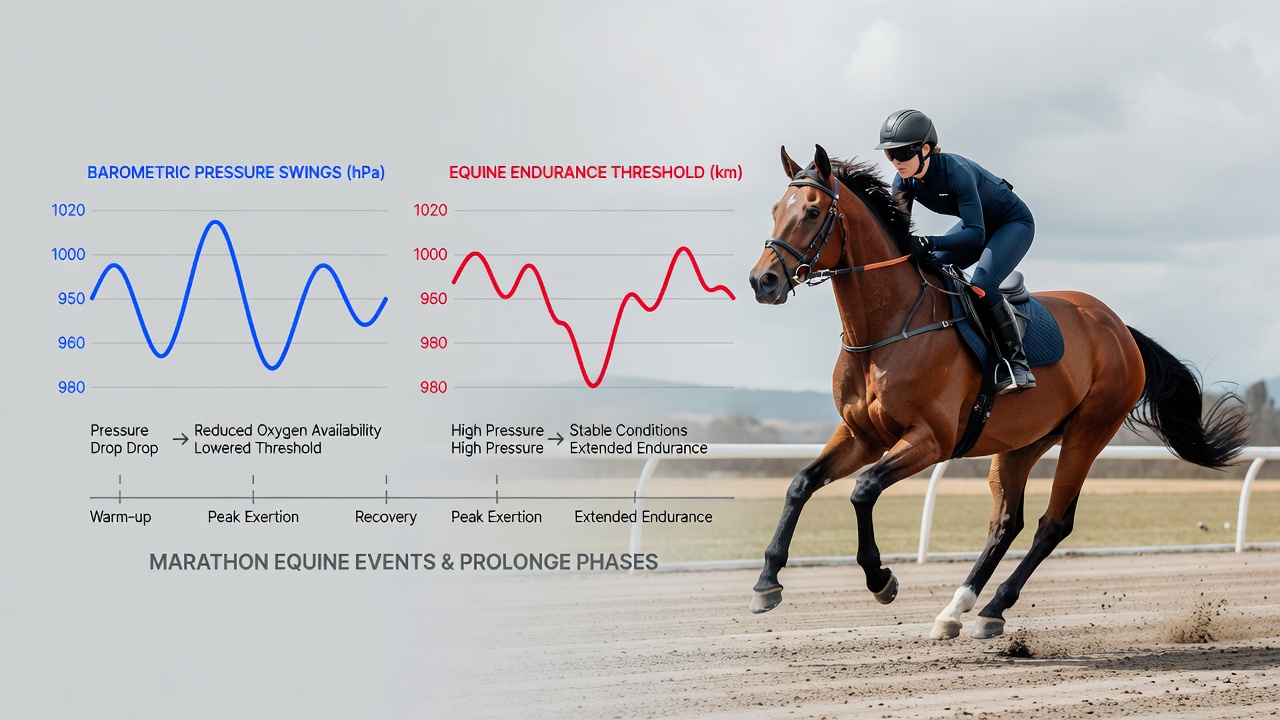
Barometric pressure changes affect air density and partial oxygen pressure, which in turn influence how efficiently oxygen transfers into the bloodstream during sustained physical output, and researchers tracking these variables note that drops of 10 to 15 hectopascals over short periods correlate with reduced aerobic capacity in both horses and athletes engaged in prolonged efforts. Studies conducted by institutions such as the Canadian Sport Institute demonstrate that such fluctuations force compensatory increases in breathing rate and heart output, raising overall energy expenditure even when ground conditions remain constant.
Equine endurance events under pressure variation
Marathon equine competitions, including multi-day endurance rides covering 100 miles or more, expose horses to cumulative effects of pressure swings that can shift lactate thresholds and delay recovery between stages, and records from events held in variable highland regions indicate that rapid pressure declines often precede higher incidences of metabolic stress markers. Observers at the 2026 summer calendar races noted that riders adjusted pacing strategies earlier in stages when pressure readings fell sharply overnight, resulting in fewer horses reaching the final vet checks within optimal time windows.
Team invasion sports facing similar thresholds
Prolonged team invasion contests such as soccer matches extending into extra time or rugby tests spanning 80 minutes plus stoppages reveal parallel adjustments in player work rates when barometric pressure moves, and tracking data from professional leagues shows midfielders covering 5 to 8 percent less high-intensity distance on days marked by falling pressure compared with stable conditions. Performance analysts examining July 2026 tournament fixtures found that teams playing at venues experiencing afternoon pressure drops substituted players at higher rates during the final 15 minutes, reflecting earlier onset of fatigue signals tied to reduced oxygen availability.
Comparative data across species and formats
Cross-species comparisons highlight that both equine and human endurance systems respond to pressure-driven hypoxia with elevated cortisol and altered fluid balance, although horses exhibit faster shifts in core temperature regulation, and longitudinal studies compiled by the University of Melbourne equine research group indicate that pressure swings exceeding 12 hectopascals within 24 hours increase dehydration markers by 18 percent in competition horses while human athletes show a 12 percent rise under identical conditions. These figures reveal consistent patterns rather than isolated anomalies.
Monitoring and adaptation strategies
Event organizers now integrate portable barometric sensors into veterinary and medical protocols, allowing real-time adjustments to hydration stations and pacing guidelines, and federations overseeing both disciplines report that pre-event pressure forecasts help crews prepare electrolyte protocols tailored to expected atmospheric profiles. Teams and riders who incorporate these readings into training simulations demonstrate steadier threshold maintenance across multi-hour efforts.
Conclusion
Barometric pressure swings continue to reshape endurance thresholds in marathon equine events and prolonged team invasion contests through direct effects on oxygen delivery and recovery processes, and ongoing collection of atmospheric and performance data through 2026 underscores the value of integrating meteorological monitoring into preparation frameworks across both fields.