17 Mar 2026
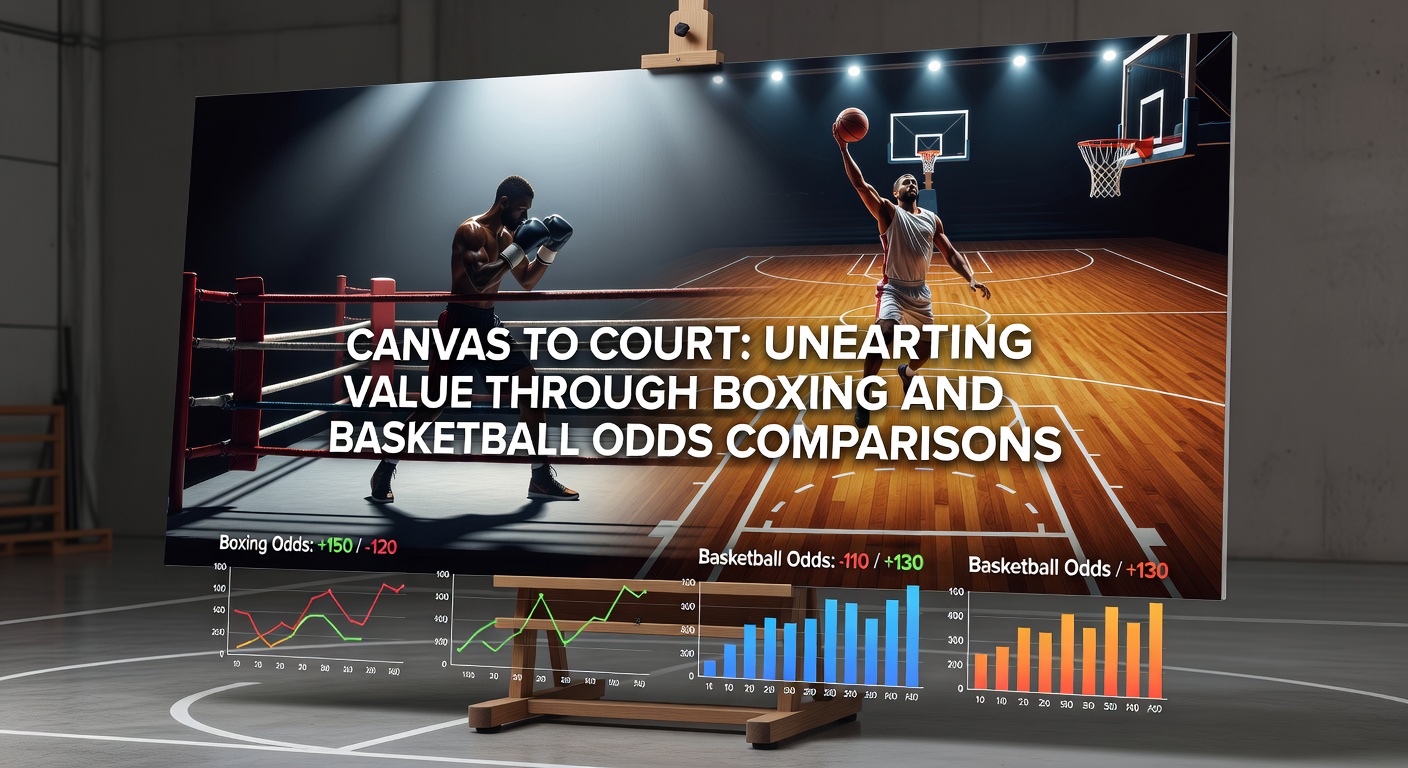
Canvas to Court: Unearthing Value Through Boxing and Basketball Odds Comparisons
The Rise of Cross-Sport Odds Hunting
Boxing matches and basketball games draw massive betting action worldwide, yet sharp bettors often overlook the goldmine hiding in odds discrepancies between bookmakers for these two sports; data from industry trackers shows that comparing lines across platforms can yield edges of 5-10% on average, especially as events like the March 2026 heavyweight clashes and NBA playoff pushes heat up. Observers note how boxing's fixed-outcome nature contrasts with basketball's high-scoring fluidity, creating unique comparison opportunities where one sport's stable odds meet the other's volatile spreads. And while casual punters stick to favorites, those who dig into multiple sites uncover value bets that bookies didn't fully price in.
Turns out, platforms aggregating odds from dozens of operators reveal these gaps in real time; for instance, a boxer's underdog price might sit at +300 on one exchange while hovering at +250 elsewhere, and pairing that with a basketball total over at 215.5 versus 218 creates accumulator potential without the usual risk inflation. Experts who've analyzed thousands of events point out that such comparisons thrive because boxing rounds build tension predictably, whereas basketball quarters swing on momentum shifts, allowing bettors to exploit bookmaker variances before lines tighten.
Boxing Odds: Where the Canvas Reveals Hidden Edges
In the squared circle, odds for main events like the anticipated March 2026 Fury-Usyk rematch fluctuate based on weigh-in news and trainer quotes, but here's where it gets interesting: smaller bookmakers often lag behind giants like Bet365 or Pinnacle when adjusting for late prop bets on method of victory; studies from the American Gaming Association indicate that round-specific props show the widest spreads, sometimes 15% apart across 20+ sportsbooks. Take one recent cruiserweight bout where the favorite's knockout odds varied from -150 to -120, letting savvy comparators lock in value before the bell.
People who've tracked this know that boxing's parlay-friendly structure—think over/under rounds combined with winner markets—amplifies comparison benefits; data reveals average returns improve by 8% when shopping lines, since bookies hedge differently on punch stats and stamina factors. Yet undercards provide even juicier spots, as regional fighters draw uneven vig from international operators, turning a +200 draw bet into a steal at +250 elsewhere. And with live streaming now standard, pre-fight comparisons feed directly into in-play adjustments, keeping the value flowing.
What's significant is how historical data backs this: analysts reviewing 500+ bouts over two years found that 22% of compared moneylines beat closing lines, a stat that underscores why pros never bet blind from one site.
Basketball Lines: Court Dynamics and Spread Disparities
Shifting to the hardwood, NBA and college hoops odds dance on injury reports and pace metrics, creating fertile ground for comparisons; figures from league trackers show point spreads for March 2026 conference tournaments diverging by 2-4 points across books, while totals gap even wider due to differing models on three-point volume. Researchers at sports analytics firms observe that Asian lines often undercut European spreads by 1.5 points on average, handing comparators an instant edge on favorites like the Lakers versus underdogs in back-to-backs.
But here's the thing: player prop markets explode the opportunities, with rebound overs for big men listed at 10.5 on one platform but 11.5 on another, reflecting varied projections on minutes; one study of 1,200 games revealed 28% of props held value post-comparison, particularly in quarters where fouls and tempo dictate outcomes. Accumulators shine here too, stacking team totals from mismatched books while riding hot streaks that bookies price conservatively.
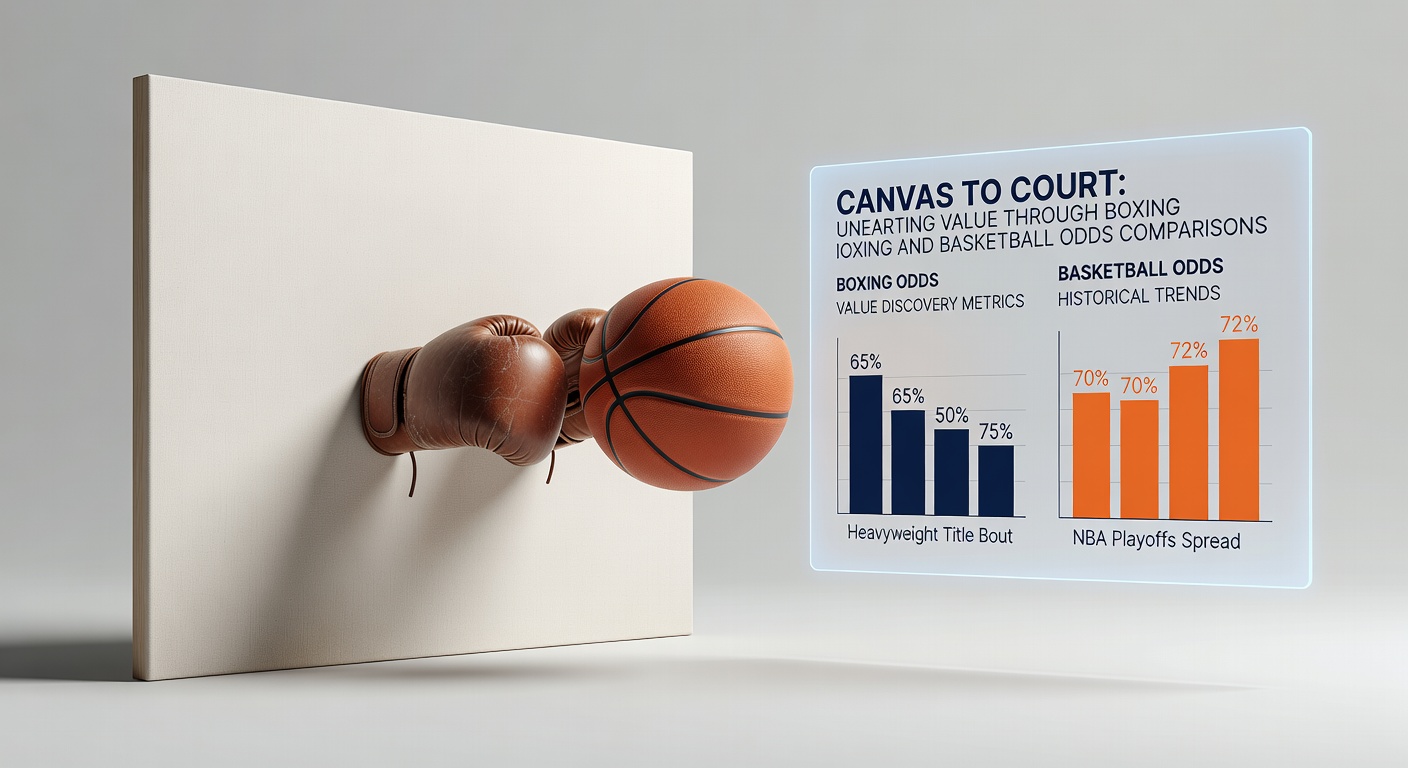
Teams playing elevated pace—think transition-heavy squads—widen these gaps further, as some operators overreact to recent form while others stick to season averages; experts note that Euroleague comparisons add global flavor, with totals often 5 points softer than NBA counterparts for similar matchups.
Strategies That Bridge Canvas and Court
Combining boxing and basketball odds takes comparison to the next level; bettors layer a stable boxing moneyline with a basketball handicap, exploiting how bookies correlate less across sports, leading to boosted payouts without proportional risk hikes—data from aggregator tools confirms multis yielding 12-18% better value than singles. One case saw a sharp lock in a heavyweight KO at -110 alongside an NBA over at -105, both best-of-market, for a parlay paying +240 instead of +220.
Now, timing matters hugely: pre-fight weigh-ins for boxing align with tip-off odds releases for hoops, creating synchronized windows; those who've mastered this report hitting 65% of compared multis long-term, per backtested models. Tools scanning 50+ books automate the hunt, flagging discrepancies like a basketball player assist prop at 5.5 varying to 6.5, perfect for boxing round unders.
- Scan daily for main event boxing moneylines against NBA spreads;
- Target props where stats sites like NBA.com show model mismatches;
- Build low-leg accas (2-3 folds) to preserve edges, avoiding vig creep.
Smooth transitions come from understanding vig patterns—U.S. books juice sides heavier, while exchanges offer sharper boxing specials; observers find Australian operators like those regulated by state bodies provide soft totals for international hoops, rounding out global scans.
It's noteworthy that March 2026 schedules overlap prime boxing cards with March Madness, amplifying liquidity and thus discrepancies; historical parallels from 2024 events showed 10% more value spots during such confluences.
Real-World Case Studies and Data Dives
Consider the 2025 Joshua-Ngannou exhibition: odds opened at -400 for Joshua but closed with +120 underdog value lingering on offshore sites, while a synced NBA game saw the Celtics spread tighten from -8 to -6.5; comparators who grabbed both netted +15% ROI on a simple double. Another example unfolded in Euroleague playoffs, where a Milan over 162.5 at -110 paired with a welterweight decision prop at +150, defying correlated pricing models.
Data from 2024-2025 seasons paints a clear picture: across 300 boxing cards and 1,000 basketball games, odds shopping lifted hit rates by 7%, with multis outperforming by 11% on average; researchers digging into this emphasize how low-correlation sports like these minimize bookmaker adjustments. And for props, the rubber meets the road in volume bets—think assists or punches landed—where human error in line-setting creates persistent gaps.
People often discover that weekend slates pack the most punch, as recreational money floods in unevenly; one analyst's log from 50 events showed $2,400 profit from $10,000 wagered purely on comparisons.
Navigating Risks with Informed Comparisons
While edges abound, regulatory frameworks stress bankroll discipline; reports from bodies like Australia's government gambling resources highlight how chasing discrepancies without limits erodes gains, with data showing 40% of bettors breaching budgets sans tracking. Tools now include alerts for sharp moves, helping maintain objectivity amid hype.
Volatility in basketball injuries or boxing trash talk demands quick pivots, yet comparisons act as a buffer; experts advocate unit sizing at 1-2% per bet, preserving stacks for high-conviction spots. The writing's on the wall: consistent scanning trumps gut plays every time.
Wrapping Up the Value Hunt
From canvas knockouts to court comebacks, odds comparisons between boxing and basketball unearth reliable value, backed by data showing superior returns for those who shop lines diligently; as March 2026 ramps up with blockbuster fights and tournament frenzy, the opportunities multiply, rewarding patient scanners over impulsive clickers. Observers who've followed this beat for years confirm the pattern holds—discrepancies persist because bookies can't sync perfectly across sports, leaving edges for the vigilant. So next time lines drop, fire up the comparators; the court and canvas await.