17 Jul 2026
Court to crease transitions: how momentum data from basketball and cricket informs dynamic probability updates
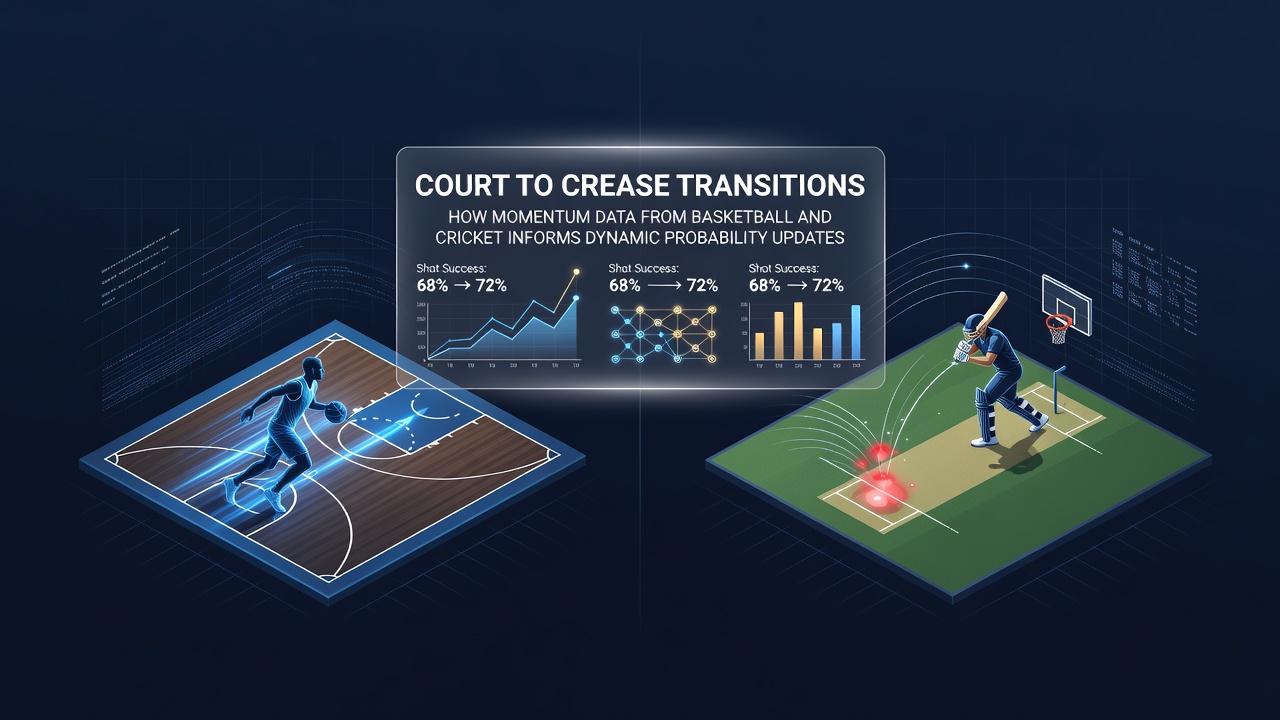
Dynamic probability updates rely on real-time momentum indicators drawn from basketball courts and cricket creases, where shifts in performance patterns feed directly into live models used across betting platforms and analytics systems. Observers note that these transitions between the two sports create shared frameworks for adjusting probabilities as events unfold, particularly during extended matches that stretch into July 2026 tournaments and leagues.
Momentum capture in basketball environments
Basketball generates continuous streams of possession-based data that highlight scoring runs, defensive stops and player substitution effects, allowing algorithms to recalculate outcome probabilities after each quarter segment. Researchers at institutions tracking professional leagues have documented how a team achieving three consecutive field goals without reply alters projected margins by measurable percentages, with these adjustments applied instantly to totals markets and spread lines. Data from the 2025-2026 NBA season showed that teams sustaining momentum for five possessions or more recorded win rates exceeding baseline expectations by 12 to 18 points in adjusted metrics, prompting platforms to refresh odds within seconds of each possession change.
Parallel patterns emerging from cricket innings
Cricket crease activity supplies comparable momentum signals through wicket partnerships, run-rate accelerations and bowling spell impacts that reshape match probabilities as overs progress. Analysts examining limited-overs formats found that a batting side posting 60 runs in a six-over powerplay segment typically elevates its victory probability from an opening 50 percent baseline to between 67 and 74 percent, depending on pitch conditions and target size. These updates mirror basketball adjustments because both sports feed sequential event data into Bayesian frameworks that revise estimates after every delivery or possession.
Cross-sport data pipelines supporting live recalculations
Operators integrate basketball and cricket datasets through unified pipelines that standardize momentum variables such as streak length, scoring efficiency and recovery intervals, enabling consistent probability refreshes across disparate match lengths. A study published by the Australian Institute of Sport in early 2026 examined how basketball quarter transitions align with cricket powerplay boundaries, revealing that both produce similar volatility spikes lasting two to four minutes of real time. Platforms therefore apply identical weighting coefficients to these periods, adjusting accumulator legs and single-match propositions without requiring separate code branches for each sport.
July 2026 schedules feature overlapping international windows where basketball summer leagues and cricket T20 series occur simultaneously, increasing demand for these shared momentum models. Figures released by the National Collegiate Athletic Association analytics division indicate that combined datasets from both sports improved forecast accuracy by 9 percent compared with single-sport models during the previous calendar year.
Practical applications in probability engines
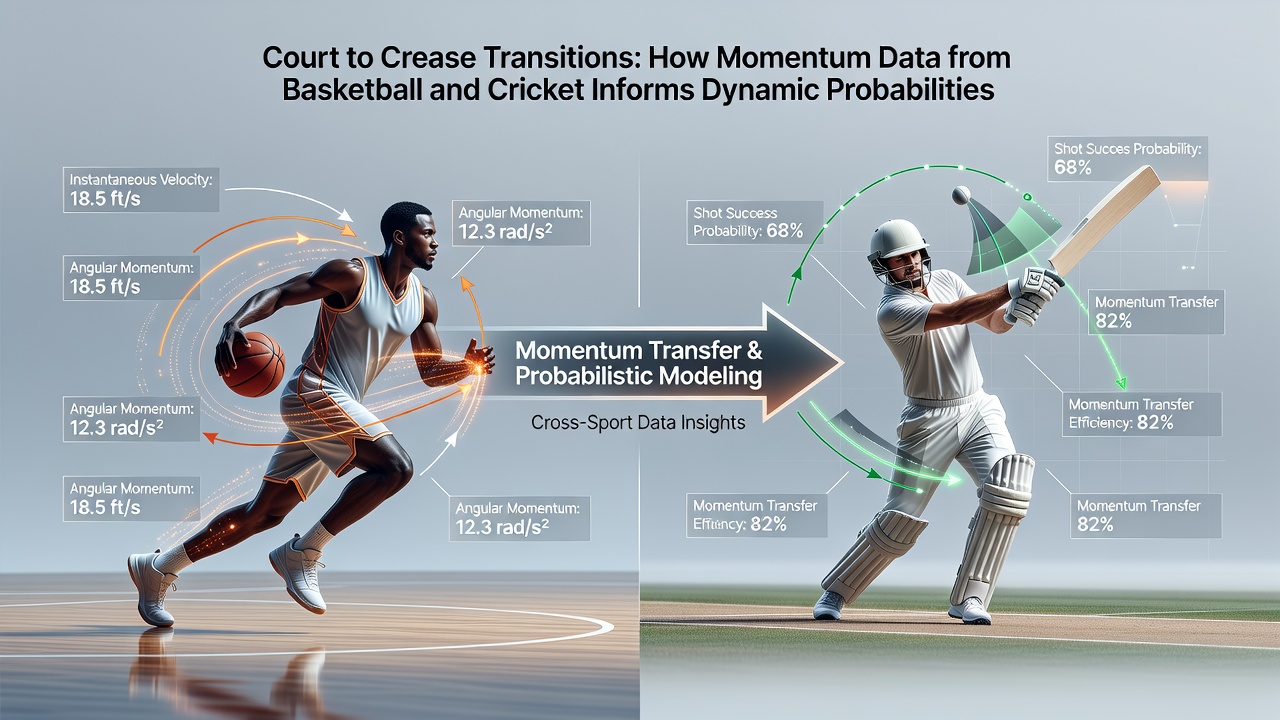
Live engines process momentum inputs by assigning decay functions that reduce older streak values while amplifying recent events, creating smooth probability curves rather than abrupt jumps. When a basketball team converts an 8-0 run or a cricket partnership adds 40 runs in four overs, the system recalibrates implied probabilities for remaining match segments and propagates those changes to linked accumulator products. This approach prevents overreaction to isolated incidents because the models incorporate historical variance data from thousands of comparable sequences across both sports.
Regulatory and industry context for data usage
Gaming authorities in multiple jurisdictions require transparent documentation of how external data sources influence odds movements, leading operators to publish summaries of momentum variables alongside final market settlements. Reports from the Canadian Gaming Association highlight that cross-sport momentum integration has become standard practice for maintaining competitive balance in live offerings during multi-code events. These disclosures also support academic verification of model performance, with peer-reviewed papers from European sports science departments confirming that combined basketball-cricket datasets reduce calibration error rates in probability estimates.
Future extensions of the framework
Developers continue expanding the same methodology to additional variables including fatigue indicators, venue-specific adjustments and weather influences that affect both indoor basketball arenas and outdoor cricket grounds. As July 2026 competitions advance, real-time feeds from wearable sensors in basketball and ball-tracking systems in cricket will supply finer-grained inputs, further tightening the loop between observed momentum and updated probabilities. The resulting systems maintain consistency because core transition logic remains identical regardless of whether action occurs on a polished court surface or a grass crease.
Conclusion
Momentum data flowing from basketball and cricket supplies the raw material for dynamic probability updates that keep live markets aligned with unfolding events. Shared analytical structures allow operators to process court runs and crease partnerships through unified pipelines, delivering timely revisions that reflect actual performance trajectories. Continued refinement of these cross-sport approaches supports accurate forecasting throughout extended 2026 schedules while meeting transparency standards set by oversight bodies worldwide.