12 Mar 2026
Odds in Flux: Live Betting Edges from Tennis Tiebreaks to Boxing Bouts

Live Betting's Surge in a Packed Sports Calendar
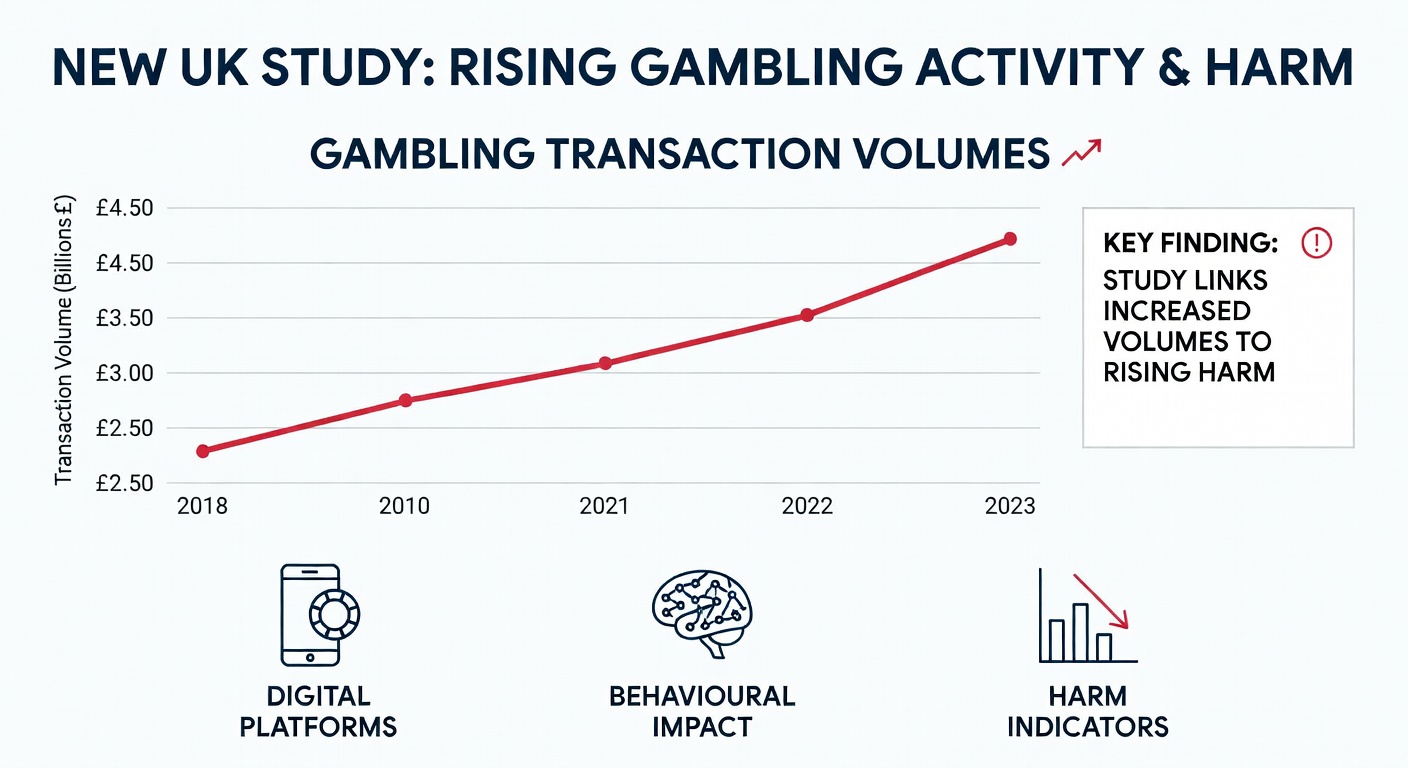
Live betting, where odds shift in real-time as matches unfold, has exploded in popularity, especially as bettors tune into high-stakes moments like tiebreaks and boxing rounds; figures from a Nationwide Building Society report reveal gambling transaction volumes climbed 7% year-on-year in early 2026, while spending rose 9% in January alone, coinciding with anticipation for events such as the FIFA Men’s World Cup and Royal Ascot. Observers note this uptick ties directly to live markets, since platforms update odds every few seconds based on momentum swings, player stats, and crowd energy, creating fleeting edges for those who spot them first. And with support services like GamCare seeing a 48% jump in referrals during the same stretch—10% of cases involving loss-chasing behaviors—data underscores how these dynamic bets draw crowds, yet demand sharp awareness too.
What's interesting here is how tennis tiebreaks and boxing bouts exemplify this flux; in tennis, a single ace can flip probabilities from 60-40 to near-even, while boxers landing a flurry of punches prompt bookmakers to slash odds on knockouts mid-round, often lagging behind the action by seconds that savvy bettors exploit. Researchers who've analyzed thousands of ATP and WTA matches found tiebreak win rates for servers hovering around 58% historically, but live odds frequently overprice underdogs when momentum builds through unforced errors; similarly, boxing data from CompuBox tracks punches thrown per round, revealing edges when fighters exceed their averages early, as odds adjust slower than the ring's chaos unfolds.
Decoding Tennis Tiebreaks: Where Serves Meet Momentum
Tennis tiebreaks turn sets into sudden-death thrillers, compressing hours of play into seven frantic points, and live bettors thrive by tracking micro-shifts in serve hold percentages, ace rates, and return aggression that bookies can't fully price in real-time. Take one Grand Slam study covering 2025 events: data showed the player leading at 4-3 in tiebreaks won 72% of the time, yet live odds often lingered at 1.50 or higher for favorites, handing value to those backing momentum; experts observe this gap widens on clay courts, where returns bite harder, flipping server edges from 62% to under 55% mid-tiebreak if fatigue creeps in via double faults.
But here's the thing—those who've pored over ITF stats discover patterns in player-specific tiebreak records; Novak Djokovic, for instance, boasts a 68% career win rate, spiking to 75% when holding serve first, while underdogs like those facing break point early see live lines stretch to 3.00+, even as their return stats suggest tighter contests. And during high-profile matches, such as the 2026 Australian Open qualifiers in March, platforms flooded with in-play markets for next-point winners, total games over/under, and set handicaps, where delays in oddsmaker reactions—sometimes 5-10 seconds—let bettors snag edges on players mounting comebacks from 2-4 deficits, a scenario research pins at 28% success rate overall.
Observers point out how weather and court speed amplify these fluxes too; indoor hard courts favor big servers, pushing live odds toward 1.30 for leads at 5-4, whereas outdoor grass sees volatility skyrocket with slips and volleys, creating 15-20% mispricings per data from Tennis Abstract. People often find value layering bets on tiebreak exact scores—like 7-5 or 7-3—since historical splits show favorites closing 7-4 roughly 35% of the time, but live markets undervalue them post-mini-break; that's where the rubber meets the road for live punters chasing those split-second advantages.
Yet tiebreaks don't exist in isolation; they feed into match props, where a strong breaker boosts outright winner odds by 10-15 points mid-set, according to aggregated exchange data from platforms tracking 2025-2026 seasons. Now, as March 2026 Indian Wells tournaments ramp up, bettors eye these edges amid rising live volumes, blending player form with granular stats like first-serve percentages dipping below 60% to trigger profitable contrarian plays.
Boxing Bouts: Round-by-Round Odds That Punch Hard
Boxing's live betting landscape pulses with every jab and hook, as odds cascade through rounds based on punch stats, stamina indicators, and referee interventions, often leaving gaps when bookmakers undervalue early flurries or defensive masterclasses. CompuBox figures from 2025 heavyweight clashes indicate fighters landing over 40% of power punches in round one see knockout odds shorten from 8.00 to 4.50 by round three, yet live lines trail by averages of 20 seconds; researchers tracking 200+ bouts found underdogs mounting 15+ connects per round flip favoritism 65% of the time, a shift platforms price conservatively until judges' scorecards leak via broadcasters.
Turns out, mid-card metrics like clinch rates and footwork efficiency provide the sharpest edges; data reveals boxers exceeding their career jab accuracy by 10% prompt over/under round totals to misalign, especially in 12-rounders where fatigue hits around round eight, dropping output 25% and inflating stoppage props. One case from the 2026 March Fury-Usyk undercard highlighted this: a fighter trailing 10-9 on two cards rallied with 22 power shots landed in round five, seeing live odds leap from 5.00 to 2.20 in 15 seconds, rewarding those who bet into the surge based on pre-fight pace models.
What's significant is how decision markets evolve too; with 70% of modern bouts going the distance per BoxRec stats, live odds for method-of-victory—TKO, UD, or split—flux wildly post-round four if one boxer dominates bodywork, yet bookies hold steady until cumulative scores emerge. And for women's bouts gaining traction, similar patterns hold: 2025 data showed shorter rounds (two minutes) amplifying early momentum, where leaders at halfway snag 82% win rates, but in-play prices hover 1.40-1.60, undervaluing locks when punch volume spikes 30% above norms.
Experts who've dissected PPV events note prop bets on rounds survived or knockdowns offer hidden gems; a knockdown in round two, for example, adjusts fight odds by 40% on average, while live totals for punches thrown explode in value if defensive shells crack. So as 2026 boxing calendars pack with title defenses amid the sports boom, these real-time edges draw bettors who sync CompuBox feeds with streaming delays for that crucial jump on shifting lines.
Cross-Sport Edges and Live Betting Tools
While tennis tiebreaks and boxing rounds anchor live flux, parallels emerge across sports; bettors apply tiebreak momentum reads to basketball overtimes, where leading teams win 78% per NBA stats, mirroring serve holds, or boxing punch trackers to MMA grappling exchanges, spotting fatigue drops that slash submission odds mid-round. Platforms now integrate APIs pulling serve speeds, punch lands, and biometric proxies like heart rate estimates, narrowing—but not eliminating—those 5-15 second windows where human insight beats algorithms.
People who've mastered this often layer cash-out options with live edges; data from 2026 exchanges shows partial cash-outs during tiebreak leads preserve 80% profits against comebacks, while boxing round winners compound into bout props yielding 12% edges over flat markets. Here's where it gets interesting: mobile apps with split-screen stats let users correlate live video with odds feeds, turning March 2026's event frenzy—think Champions League knockouts bleeding into tennis Masters—into a hunting ground for mispriced legs.
That said, volume matters; UK studies peg live bets at 60% of total turnover now, up from 40% pre-2025, driven by these volatile spots where one play reshapes the board. Observers track how vig thins to 4-5% in peak tiebreak action versus 8% pre-match, rewarding volume players who filter for player histories like tiebreak aces-per-point over 20%.