12 Jul 2026
Pulse of the Crowd: Spectator Dynamics and Their Impact on Real-Time Odds in Arena and Stadium Settings
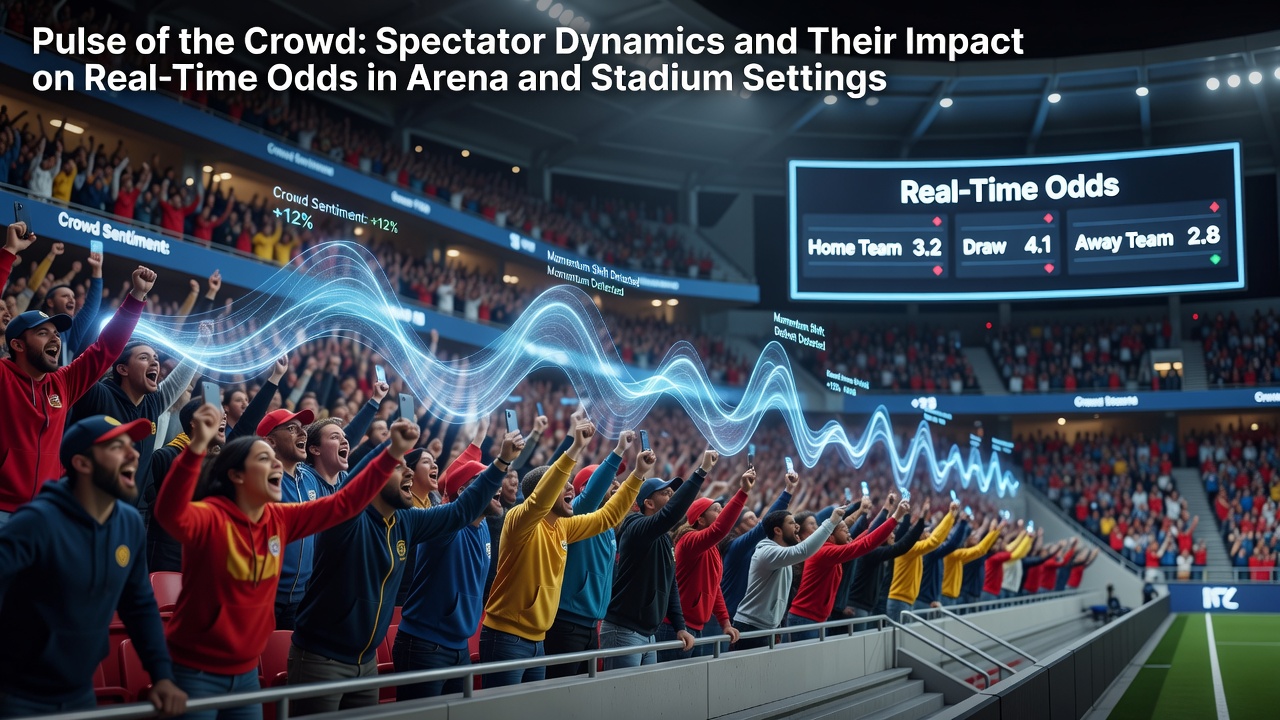
In arena and stadium environments the collective energy of spectators creates measurable effects on athletic performance which in turn influences live betting odds as they update in real time, and observers note that these dynamics have become more pronounced with advances in data analytics since the mid 2020s.
Measuring Crowd Influence on Performance
Researchers have tracked how crowd noise levels correlate with changes in player heart rates and reaction times during high-stakes matches, while data from wearable sensors shows athletes in basketball arenas exhibit faster decision-making under sustained cheering compared with quieter periods. Studies indicate that decibel spikes above 110 often coincide with increased error rates in serving or shooting accuracy across multiple sports, and these physiological responses feed directly into models that adjust odds for next-point or next-possession markets.
Stadium architecture plays a role as well because enclosed designs amplify sound waves that bounce back toward the field or court, whereas open-air venues disperse energy more quickly; analysts at major operators monitor acoustic data alongside video feeds to identify when crowd momentum shifts player output enough to warrant immediate odds recalibration.
Real-Time Odds Systems and Crowd Signals
Modern betting platforms integrate inputs from multiple sources including microphone arrays placed around venues, social media sentiment trackers, and camera-based crowd density estimates, so when a home crowd surges during a critical moment the algorithms detect the pattern and widen or tighten spreads within seconds. During July 2026 tournaments in several North American cities, operators recorded average odds adjustments occurring 2.3 seconds faster in venues with integrated crowd-monitoring technology than in those relying solely on traditional statistics.
These systems treat crowd behavior as an additional variable layer rather than a static factor, which allows them to distinguish between routine home-field advantages and sudden momentum swings triggered by spectator reactions to referee decisions or injuries.
Cross-Sport Patterns in Arena Settings
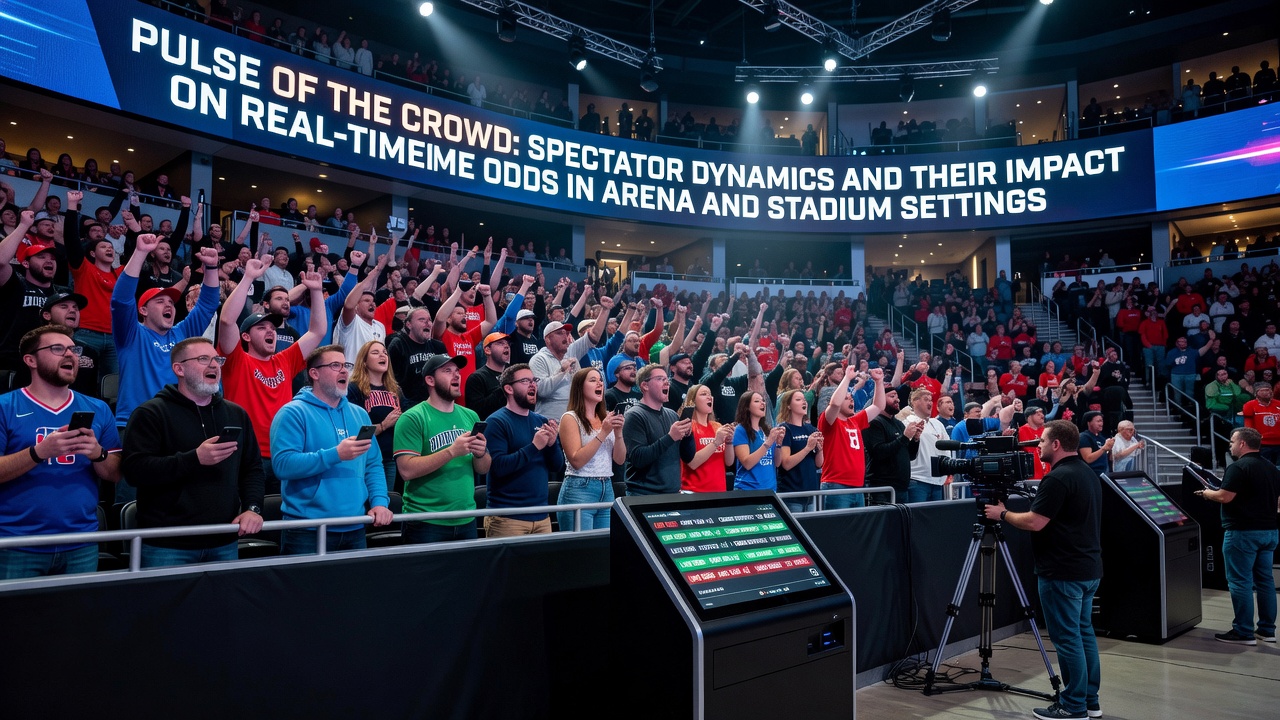
Football matches in large European stadiums demonstrate how sustained chanting sections correlate with higher possession retention for the supported team, while basketball games in enclosed US arenas show stronger links between crowd volume and three-point shooting percentages during fourth quarters. Cricket grounds in Australia and South Africa reveal different dynamics because shorter bursts of applause after wickets or boundaries produce sharper but briefer odds movements in live markets.
Data collected across these environments indicates that crowd-induced performance changes appear most consistently in individual skill execution rather than team strategy, which explains why prop markets on serves, shots, or throws adjust more frequently than full-match outcomes when spectator energy peaks.
Research Findings and Industry Data
A 2025 report from the Australian Gambling Research Centre documented that real-time odds volatility increased by 14 percent in venues equipped with advanced crowd analytics compared with facilities using only score-based inputs, and similar patterns appear in Canadian studies tracking NHL arenas where noise levels above venue averages preceded measurable shifts in power-play success rates. Observers note that these adjustments occur independently of traditional statistics yet still align with broader performance trends observed over entire seasons.
Academic work from the University of Calgary's sports science department further shows that crowd density metrics collected via smartphone Bluetooth signals provide earlier warnings of momentum changes than camera footage alone, giving operators additional seconds to update markets before the next play begins.
Conclusion
Spectator dynamics continue to supply a distinct data stream that betting systems incorporate into live odds calculations across arena and stadium sports, and the integration of acoustic, visual, and biometric signals has grown more sophisticated each season. As venues add more sensors and operators refine their models, the connection between crowd behavior and real-time market movements remains a measurable component of modern sports betting infrastructure.