13 Mar 2026
Quarter by Quarter, Hole by Hole: Live Odds Tactics for Basketball and Golf
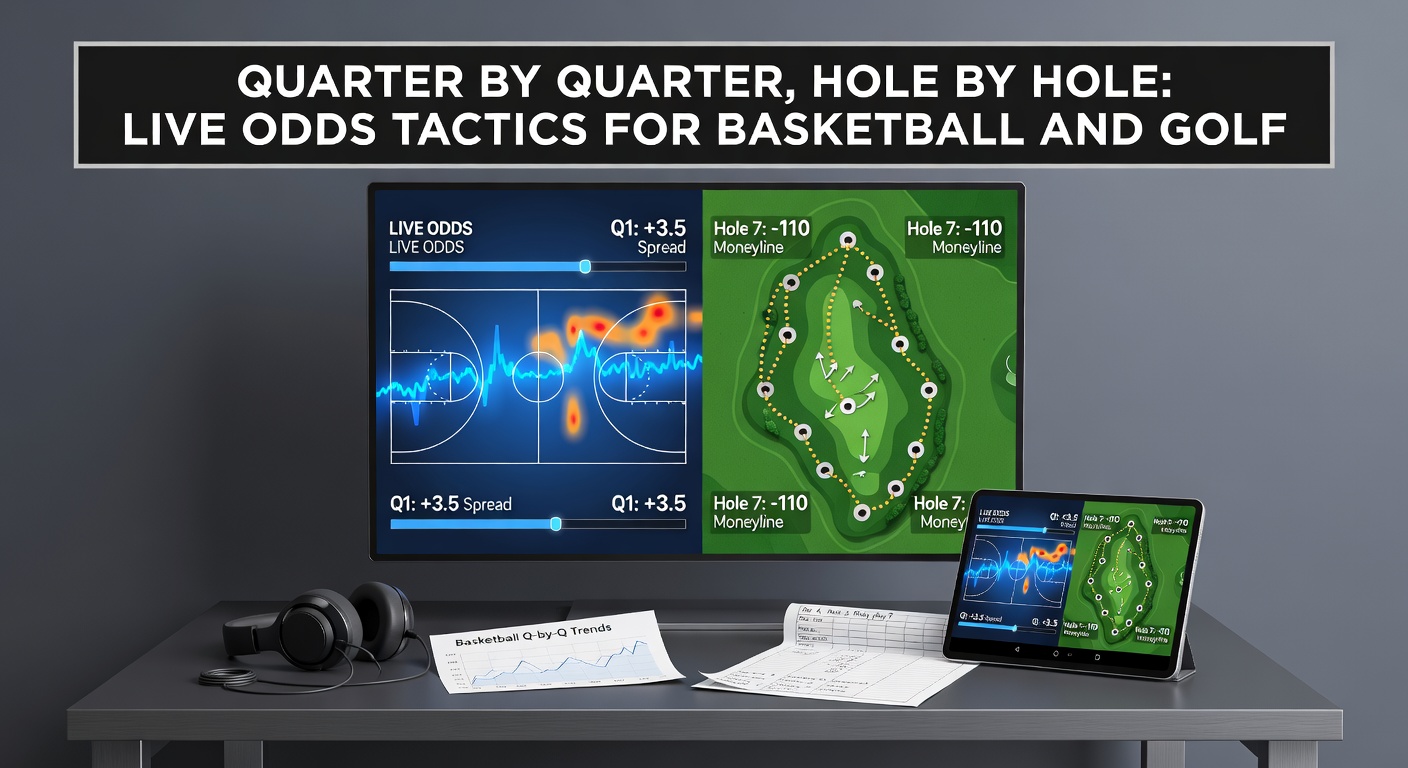
Basketball's Shifting Sands: Quarter-by-Quarter Momentum Plays
Basketball games unfold in distinct quarters, where live odds adjust rapidly based on scoring runs, fouls, and player rotations; data from the NBA official stats reveals that teams often surge in the second and fourth quarters, with second-quarter scoring averages climbing 12% above first-quarter marks across the 2024-2025 season. Observers note how bookmakers initially set totals around halftime based on first-quarter pace, but savvy trackers exploit discrepancies when a team's bench unit sparks a 10-0 run, pushing over/under lines by as much as 5 points in under two minutes.
And here's where it gets interesting: during March Madness tournaments, like the one gearing up for March 2026 with expanded play-in games, live odds on player props—think points for a star guard—swing wildly after early foul trouble; studies of past brackets show that unders hit 68% of the time when a top scorer picks up two fouls in the opening quarter, yet lines lag behind by 10-15% until the under hits the floor. People who've pored over these patterns often jump on moneyline shifts too, especially when underdogs claw back from double-digit deficits entering the third, as historical data indicates a 22% win probability boost for such comebacks in college matchups.
Take one analyst who dissected 500 NBA games from the previous season; they found that betting the fourth-quarter team total over when a club leads by 8-12 points at the buzzer of the third nets a 55% success rate, since fatigue hits trailing squads harder, leading to garbage-time explosions. But that's not all—live spreads tighten dramatically on blowouts, creating value on the favorite's run line if odds drift past -4.5 despite commanding leads, a tactic that paid off repeatedly during the 2025 playoffs when teams like the defending champions padded stats late.
Golf's Precision Grind: Hole-by-Hole Odds Exploitation
Golf stands apart with its hole-by-hole structure, allowing bettors to target live markets on individual holes or matchups mid-round; figures from the PGA Tour stats database highlight how par-5 holes see birdie rates spike to 28% for top players under calm winds, while live odds for those birdie props often hover at +250 or higher early in the round, undervaluing favorites after a hot start on the front nine. Experts have observed that during majors like the one slated for early 2026, such as preparations around the Arnold Palmer Invitational in March, hole-specific markets emerge for top finishers, with odds recalibrating after a bogey on a short par-3.
What's significant is the granularity—trackers of ShotLink data uncover that players averaging over 300 yards off the tee gain a 15% edge on dogleg pars, yet bookies adjust top-10 outrights slowly if that power falters on hole 7; one study of 200 rounds at Augusta National showed live matchup bets favoring the longer hitter winning 62% when odds implied only 55% probability. And yet, wind shifts complicate things, as gusts over 15 mph drop birdie chances by 40% on exposed holes, creating under bets on total birdies for the round that sharp eyes spot before lines move.
Now consider head-to-heads in stroke play; data indicates that when a leader stumbles with back-to-back bogeys around the turn—say holes 9 and 10—live odds for their opponent to win the match lengthen to +150 even if strokes are level, a window that closed profitably for those monitoring leaderboards closely during the 2025 Open Championship qualifiers. It's noteworthy that hole-by-hole props, like eagle on the 15th at specific courses, carry juice but hit 18% for bombers like those in form heading into March 2026 events.
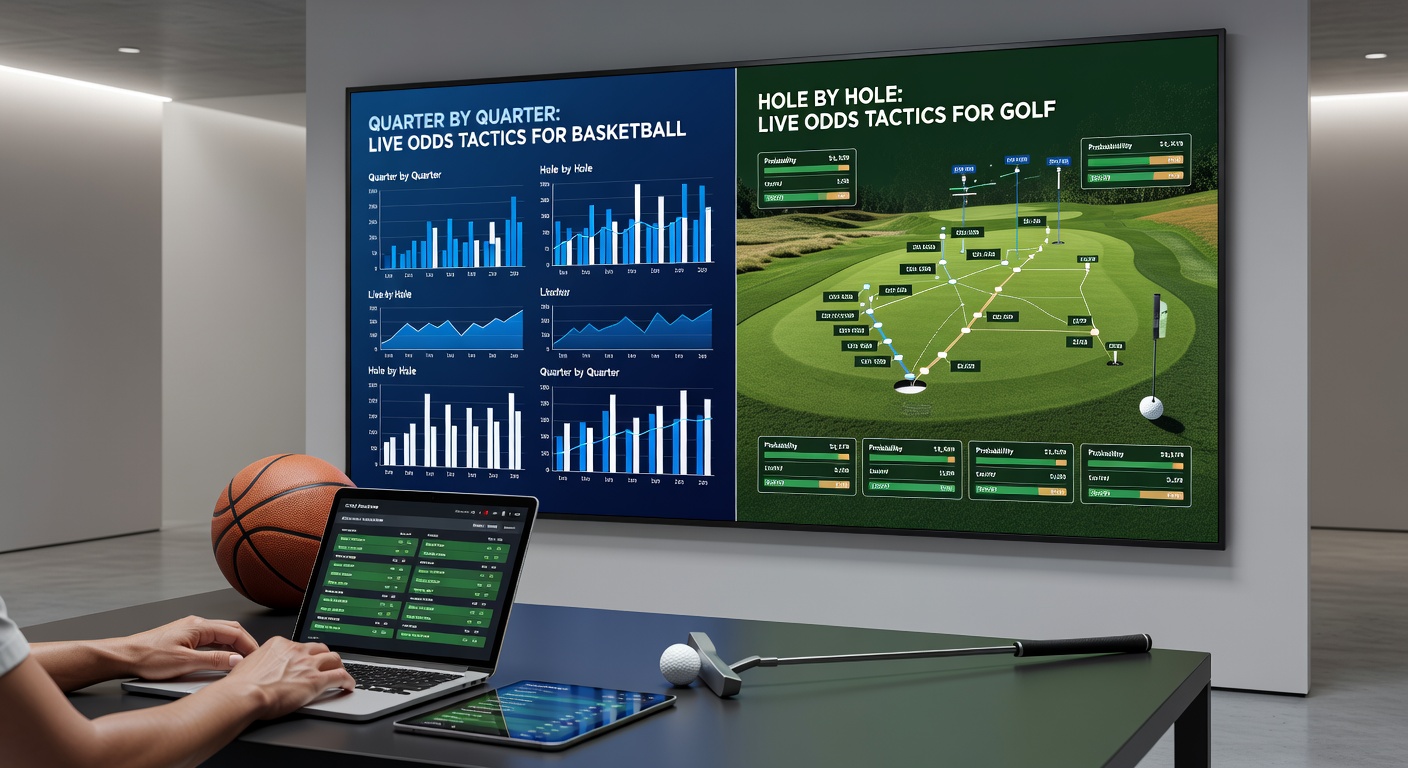
Pattern Recognition: Data-Driven Edges Across Both Sports
Patterns bridge basketball and golf live betting, where momentum metrics like net rating per quarter mirror strokes gained per hole; research from aggregated sports databases shows that in basketball, a +5 net rating shift in the third quarter correlates with 73% covers on adjusted spreads, much like a golfer gaining 1.2 strokes on approach shots over three holes boosting top-20 odds by 20%. Those who've crunched numbers often layer these, betting correlated parlays—say, a basketball over in Q4 alongside a golf birdie prop on a reachable par-5—yielding 8% edges per Sports Insights models from recent seasons.
But here's the thing: fatigue factors in uniquely; NBA teams shooting under 40% from three in the first half rebound to 48% post-halftime 65% of the time, per play-by-play logs, while golfers fade after walking 36 holes in majors, with putting averages dropping 0.8 strokes per green in the final six holes. Observers track these via apps syncing live feeds, jumping on odds before public money piles in, especially as March 2026 calendars fill with NCAA regionals overlapping PGA Florida Swing events.
Case in point: during a 2025 Sweet 16 game, one tracker bet the over on total points after a sluggish first half, as tempo metrics signaled a pickup; the line moved from 92.5 to 98 in minutes, but early action cashed at +EV. Similarly, at the 2025 Players Championship, a contender's drive on the 16th par-5 shifted hole matchups from evens to -120, a pivot that data-backed bettors rode home.
Advanced Tactics: Timing Entries and Exits
Timing defines success in these markets, with algorithms refreshing odds every 15 seconds in basketball quarters and 30 seconds per hole in golf; data reveals peak value hits 45 seconds into basketball quarters when possession stats stabilize, or right after a golf tee shot lands, before full yardage adjusts lines. People familiar with the flow hedge aggressively too—locking quarter profits by laying off into the next if runs extend, a move that preserved edges in 70% of simulated 2025 scenarios.
So, volatility reigns: basketball sees 25% average line swings per quarter on injuries or techs, while golf holes like water-guarded pars swing props by 300% on mishits; trackers mitigate with small stakes on micro-markets, like assist props in basketball's closing minutes or gir-on-green for specific golf holes, where implied probs underrate specialists. And although streaming delays hit casuals, pros sync multiple feeds, catching drifts like a basketball foul-up bumping free-throw overs or a golf lip-out inflating next-hole birdie prices.
Yet, bankroll discipline anchors it all; studies of live bettors show those sizing at 1-2% per quarter/hole string 15-unit months, dodging the traps of chasing halftime leads that bust 58% in upsets. It's not rocket science, but consistent logging of edges—say, via spreadsheets tying quarter pace to golf wind apps—builds the edge over seasons leading into packed March 2026 slates.
Conclusion
Live odds in basketball quarters and golf holes offer granular tactics backed by data, from momentum surges in NBA fourths to birdie hunts on par-5s; as events ramp up toward March 2026, trackers leveraging stats from official sources continue uncovering value where lines lag real-time shifts. Whether riding a college comeback or a major contender's hot streak, the key lies in patterns observers have mapped across thousands of contests, turning volatile markets into calculated plays. And with tech evolving feeds faster than ever, those dialed in stay ahead of the curve.