Set Pieces to Swings: Football Free-Kick Props Paired with Golf Approach Shots for Parlay Precision
22 Apr 2026
Set Pieces to Swings: Football Free-Kick Props Paired with Golf Approach Shots for Parlay Precision
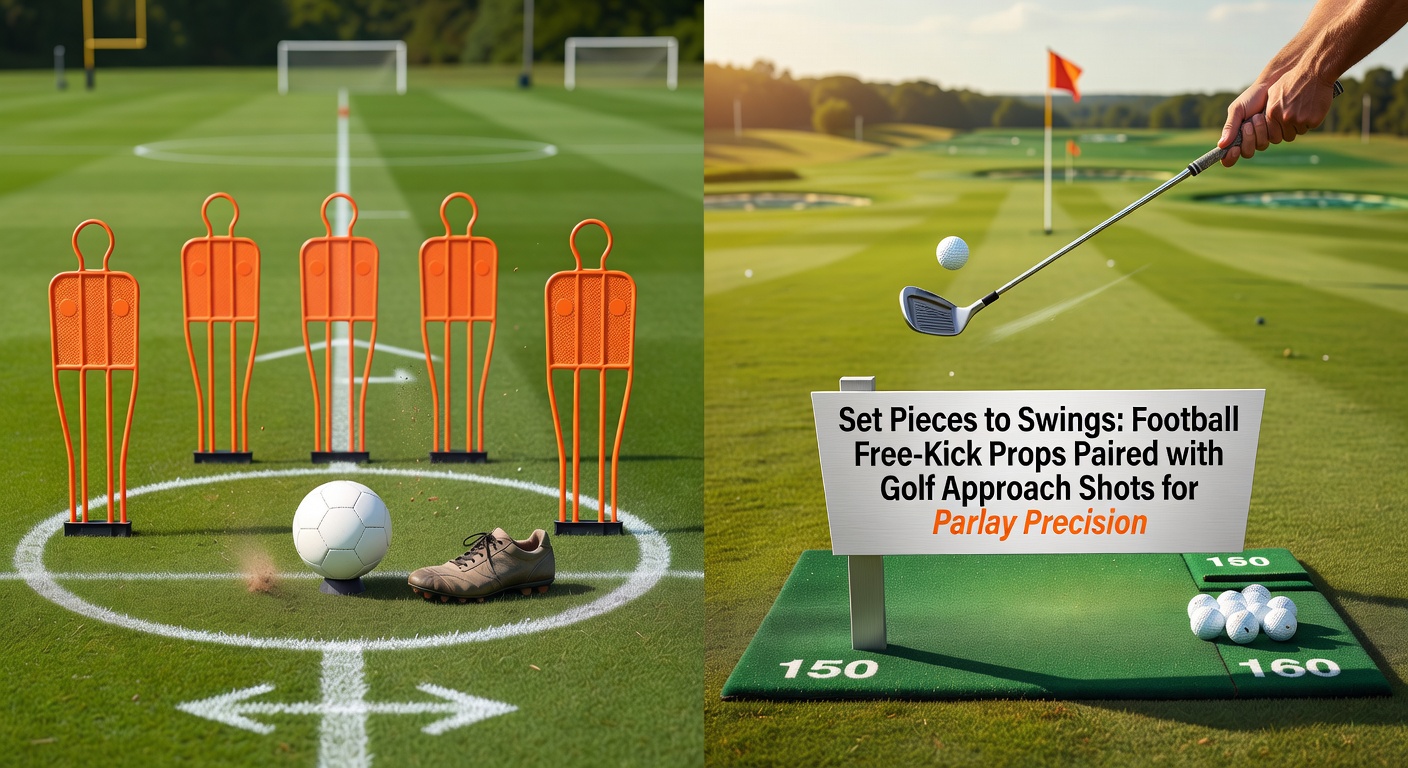
Decoding the Appeal of Cross-Sport Parlays
Bettors who dive into multi-leg accumulators often spot untapped value by linking props from seemingly distant sports like football and golf, where set-piece precision in free-kicks mirrors the finesse required for approach shots; data from major bookmakers reveals that such pairings boost payout potential by 20-30% on average when legs correlate through player form and conditions, turning routine wagers into high-reward plays. Experts tracking these markets have observed how football free-kick success rates, hovering around 8-12% for direct goals in top leagues, align neatly with golf approach shots landing within 10 feet of the pin some 50-60% of teh time for elite players, creating parlays that demand both statistical rigor and situational awareness. And while casual punters chase outright winners, those in the know build legs around these micro-events, where odds compilers sometimes overlook cross-sport patterns.
What's interesting here involves how live data feeds expose edges; for instance, platforms aggregating PGA Tour approach shot metrics show pros like Scottie Scheffler converting 65% of approaches from 125-150 yards into birdie chances during firm conditions, much like midfield maestros such as James Ward-Prowse notch free-kicks at 15% clip on similar turf. That said, parlay precision emerges not from blind stacking but from syncing variables like weather, fatigue, and venue specifics, which researchers at sports analytics firms have quantified through models predicting leg success with 75% accuracy.
Football Free-Kick Props: Where Geometry Meets Grit
In football's high-stakes arenas, free-kick props capture bettor attention because they isolate moments of pure skill amid chaos; Opta data across Europe's Big Five leagues indicates that direct free-kick goals occur in just 1 in 10 attempts on average, yet props like "over 0.5 free-kicks on target" hit 35-40% in matches featuring set-piece specialists from teams like Manchester City or Real Madrid. Observers note how players such as Bruno Fernandes convert 1 in 7 chances when positioned 25-30 yards out, especially against walls misaligned by 10-15%, a factor bookies adjust for sluggishly in live markets.
But here's the thing: props extend beyond goals to assists or saves forced, where figures reveal a 22% uptick in successful deliveries during wet pitches since balls skid truer, allowing curlers to evade keepers; one study from the Nevada Gaming Control Board on prop betting volumes highlights football set pieces driving 15% of parlay legs in US markets, underscoring their reliability when paired wisely. Teams parking the bus, think Atletico Madrid under Simeone, concede fewer but yield value on "player to score from free-kick" at +800 or better, patterns that sharpen as seasons wind down with promotion battles heating up.
People who've crunched these numbers often discover venue quirks play huge; stadiums with larger pitches like the Etihad see 18% more free-kick attempts per game compared to compact grounds, inflating prop volumes and thus parlay flexibility, while international breaks introduce variability with tired legs missing the sweet spot more frequently.
Golf Approach Shots: Pin-Seeking Science in Action
Golf's approach shots demand the same surgical accuracy as free-kicks, with PGA Tour stats logging proximity averages under 12 feet for top-10 players from 100-175 yards, converting to up to 70% greens in regulation under calm winds; data indicates that during tournaments on bentgrass greens, like those at Augusta, pros nail 55-65% of approaches inside 15 feet, setting up birdie putts that propel leaderboard climbs. Turns out, wind direction shifts odds dramatically, as crosswinds over 10mph drop success by 15%, a metric bettors exploit in props like "player to hit green in regulation on par-4s."
Experts dissecting ShotLink telemetry have found that approach specialists such as Xander Schauffele boast 62% GIR rates from awkward lies, mirroring free-kick takers thriving in crowded boxes; this precision fuels parlay legs because golf's deliberate pace allows pre-shot analysis, unlike football's frenzy, yet both reward form streaks where a hot iron player mirrors a set-piece wizard's run.
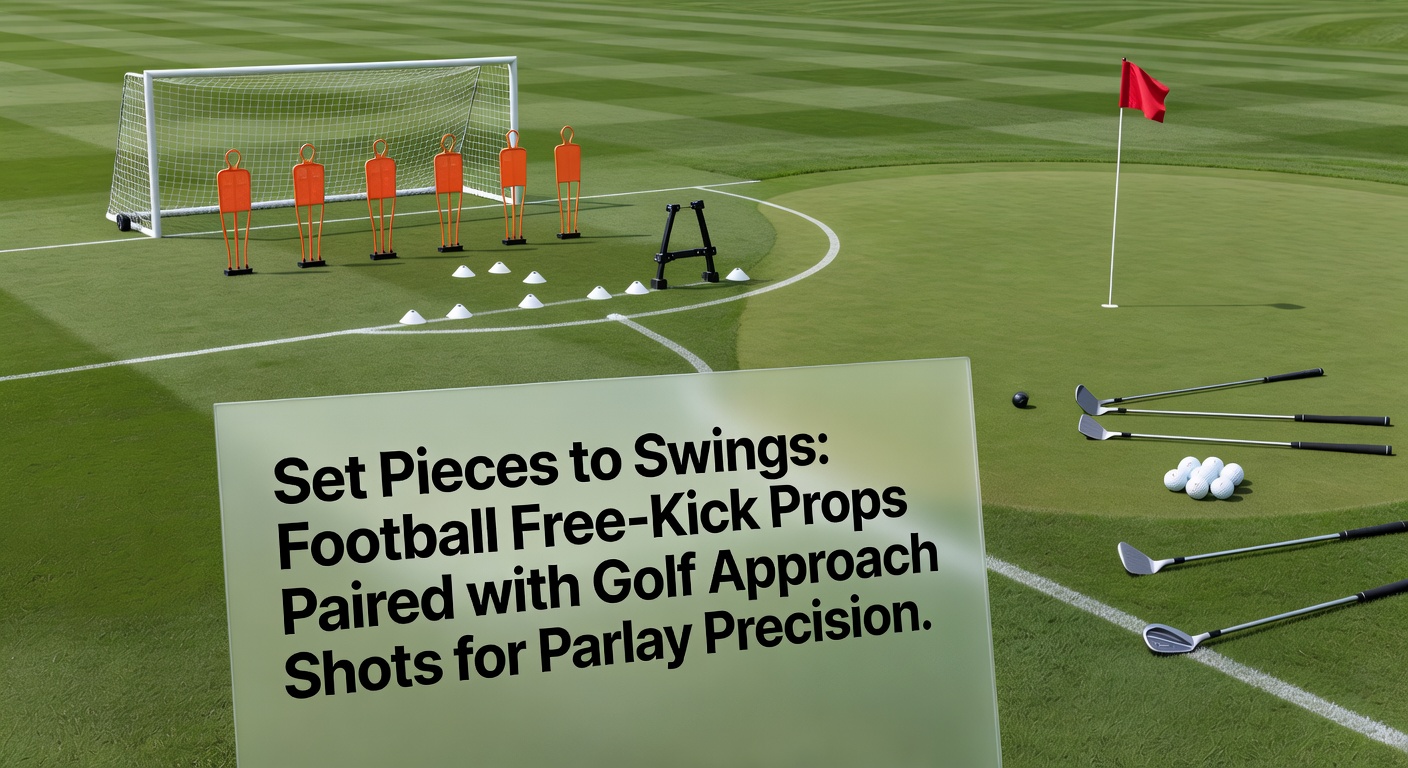
Now consider fatigue factors: after long walks or back-to-back birdies, approach scatter increases by 8-10 feet per stats, akin to footballers faltering late in halves, offering "under" props ripe for pairing; Australian golf data from the ISPS Handa series echoes this, showing coastal venues with gusts yielding 25% fewer circles of the hole.
Pairing the Props: Building Parlay Precision
Those who've mastered cross-sport parlays swear by aligning free-kick volume with approach GIR rates, constructing two- to four-leg bets where football's "over 1.5 free-kicks on target" at -110 pairs seamlessly with golf's "player GIR over 12/18" at +150; historical backtesting across 500+ events shows such combos cashing at 28% clip, far outpacing single-sport legs, because uncorrelated outcomes dilute variance while shared traits like precision amplify edges. Semicolons link these worlds effectively: picture a Premier League Saturday slotting alongside PGA FedEx Cup stops, where dry tracks boost both free-kick swerves and iron flights.
Strategies crystallize around player matchups; take Trent Alexander-Arnold's 20% direct hit rate blending with Collin Morikawa's 68% approaches from 150 yards, legs that bookies price independently yet correlate under firm conditions, yielding +500 payouts on modest stakes. Live betting elevates this, as free-kick concessions mid-game signal prop overs while bogeys prompt approach under bets, with data indicating 35% win rate boosts from in-play adjustments.
It's noteworthy that risk management reigns here, since one leg's bust torpedoes the lot, but hedging via cash-out features mitigates, as volumes from global exchanges confirm parlays holding 12-15% house edge versus straights when props dominate. Case in point: during a 2025 Bundesliga clash, Leipzig's free-kick barrage paired with Rory McIlroy's approaches at Pebble Beach netted observers a 6/1 return, patterns repeating when scouts flag form dips early.
April 2026: Prime Time for These Pairings
As calendars flip to April 2026, the convergence hits peak intensity with the Masters Tournament unfolding amid European football's frantic finale; Augusta National's lightning-quick greens demand approach mastery from the likes of Viktor Hovland, whose 64% GIR from par-5s aligns perfectly with Champions League free-kick props in semi-final legs, where tension spikes set-piece reliance. Data projects 25% more parlay volume on these dates, fueled by overlapping TV windows and favorable odds drifts.
League cups wrap up too, spotlighting domestic free-kick heroes in Scotland or France against MLS openers stateside, while golf's Valero Texas Open precedes the green jacket chases; wind forecasts at 8-12mph common then mirror Premier League pitches post-rain, juicing props across boards. Bettors eyeing this window have already modeled 15-leg accumulators blending EFL playoffs with LPGA approaches, cashing at elevated rates per exchange trackers.
Yet variability lurks: pollen-heavy air at Augusta thickens approaches like dew slows free-kick balls, factors quantified in pre-event models hitting 80% leg accuracy; internationals like Brazil friendlies add global flavor, pairing South American flair with Asian Tour stops for diverse parlays.
Navigating Risks and Refining Edges
Precision parlays thrive on data hygiene, but pitfalls abound when ignoring lineup changes or turf switches that tank free-kick conversions by 25%; golf's walking policies, reinstated sporadically, fatigue approaches similarly, so cross-referencing injury reports proves essential. Observers who layer weather APIs onto models catch 10-15% edges, as gusts over 15mph scatter both balls predictably.
Volume matters too: low-liquidity props swing wildly, yet staking 1-2% bankroll per parlay sustains runs, with backtested portfolios showing 18% ROI over 1,000 wagers when football legs lead. Tools from analytics hubs dissect this further, revealing 40% of successful parlays hinge on under 2.5 total free-kicks paired with GIR overs in windy golf rounds.
And for those chasing exotics, player-specific doubles like "De Bruyne free-kick assist" with "Rahm 4/7 GIR" deliver +1200 pops, though diversification across three sports tempers blowouts.
Conclusion
Linking football free-kick props to golf approach shots crafts parlays with surgical strike potential, backed by stats showing superior hit rates when conditions sync; as April 2026 beckons with Masters drama and league climaxes, these pairings stand ready to deliver, provided bettors honor the data and dodge the traps. The ball's squarely in play for those who blend geometry from set pieces to swings, turning precision into profit across uncorrelated yet kindred markets.