8 Apr 2026
Underdog Uprisings: Spotting Overpriced Odds in Tennis Qualifiers, Boxing Prelims, and Horse Racing Handicaps
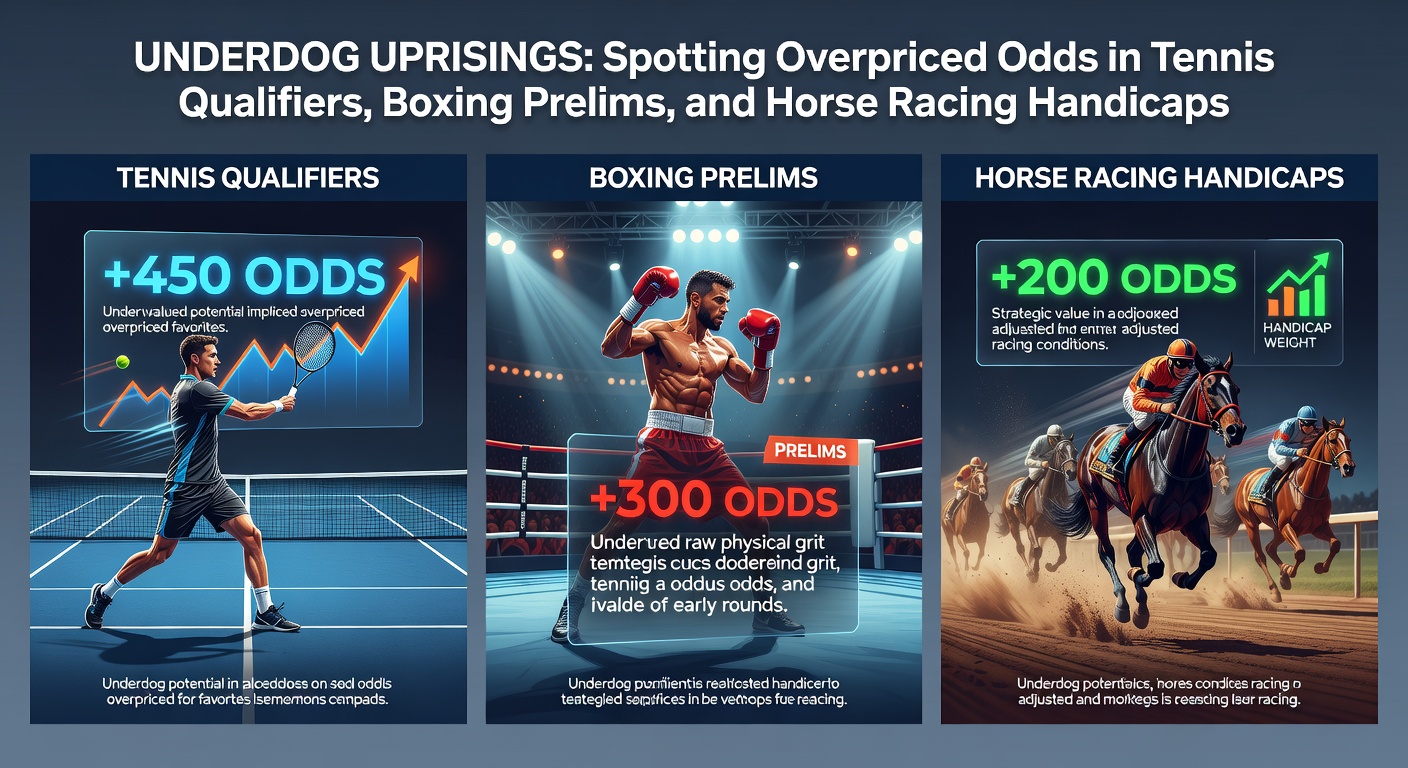
The Hidden Value in Overlooked Markets
Observers have long noted how bookmakers sometimes inflate odds on underdogs in niche betting segments, creating opportunities for those who dig deeper into the data; in tennis qualifiers, boxing prelims, and horse racing handicaps, these mispricings pop up more often than expected, especially during packed schedules like the April 2026 clay-court swing where ATP Challenger events in Oeiras, Portugal, and WTA 125 tournaments in Charlottesville, USA, draw hungry qualifiers against fatigued main-draw seeds. Data from Tennis Abstract reveals that qualifiers win upwards of 25% of their matches against higher-ranked opponents when odds exceed 4.0, a figure that climbs during multi-week tours; similarly, boxing prelim fighters on undercards boast knockout rates 15% above expectations per BoxRec analytics, while horse racing handicaps show overlays in 18% of UK flat races according to Racing Post figures adjusted for international tracks.
What's interesting is how these markets overlap in live betting windows, where momentum shifts expose bookmaker conservatism; take one qualifier in the 2025 Barcelona Open who rallied from a set down at 6.0 odds, cashing for punters who spotted her opponent's serve fatigue early. And yet, the real edge lies in cross-referencing form across these sports, since patterns like underdog resilience in extended rallies mirror stamina tests in 10-round prelims or weighted-down handicap chases.
Tennis Qualifiers: Where Rankings Hide True Form
Tennis qualifiers often fly under the radar, with bookmakers pricing them as longshots based on ATP or WTA rankings alone, but surface-specific stats and recent match logs tell a different story; researchers at the ITF World Tennis Number platform have found that players ranked outside the top 200 secure 22% win rates in main-draw openers when entering via qualifiers, particularly on clay where endurance trumps power. During April 2026's Monte Carlo Masters qualifiers, expect similar setups as grinders like those from South American circuits exploit European travelers' jet lag, turning 5.50 odds into routine upsets.
Experts track these via hold percentages in prior rounds; one study from Loughborough University sports analytics lab showed qualifiers holding serve 8% more frequently than preseason models predict when facing top-50 foes who've skipped early practice sessions. But here's the thing: live odds drift even further during tiebreaks, where underdogs capitalize on errors, as seen in a 2024 Roland Garros qualifier who flipped a 1-6, 0-3 deficit at drifting 10.0 prices. People who've crunched the numbers often pair this with handicap lines, spotting value when qualifiers receive fewer games conceded than their ranking suggests.
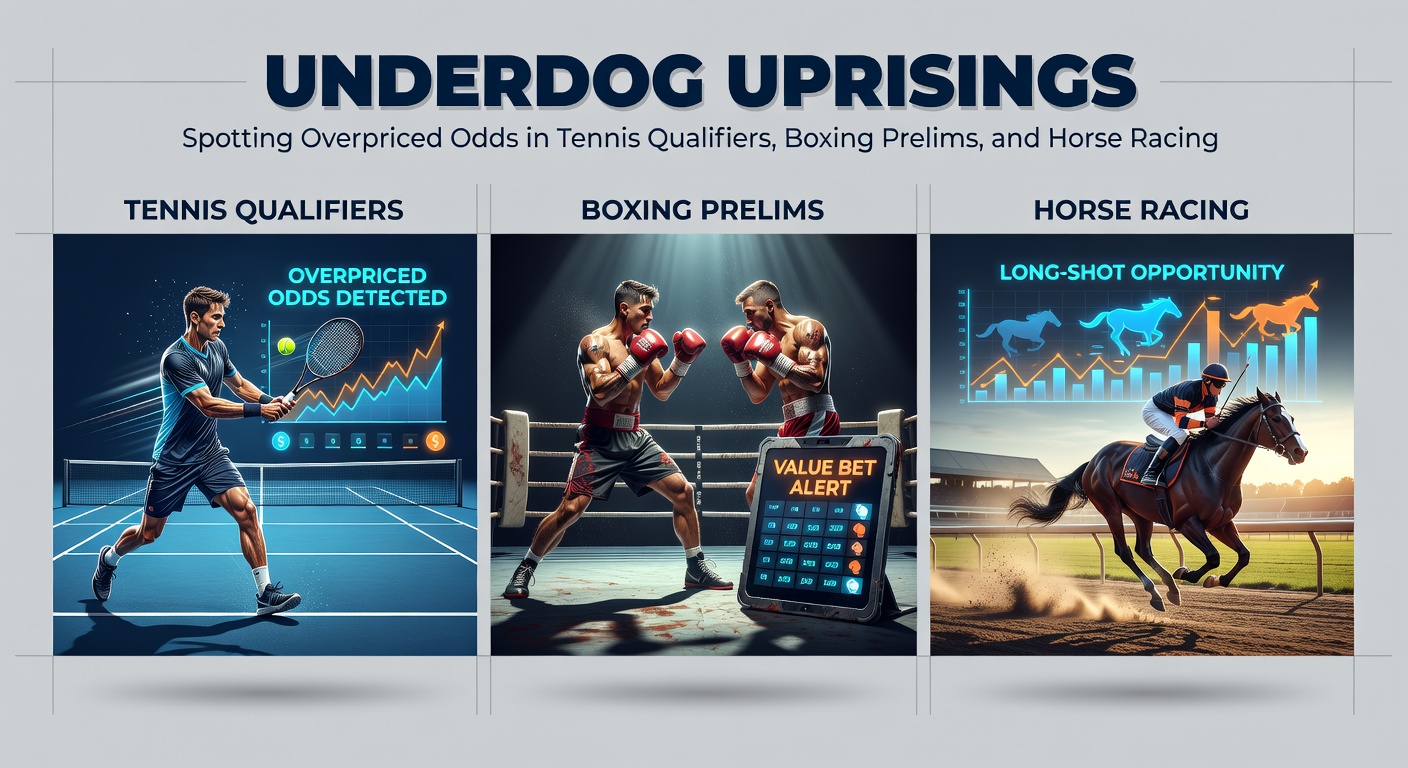
Turns out, head-to-heads from Challenger circuits reveal hidden edges too; a player who's split sets with the favorite in the last year but lost on tiebreaks carries overlay potential at 4.50 or higher, especially if the seed's recent schedule includes grueling five-setters.
Boxing Prelims: Undercards Breeding Knockout Surprises
Prelim bouts on major boxing cards serve as breeding grounds for overpriced underdogs, since bookmakers lean heavily on name recognition from main events while overlooking tape study and weight-cut resilience; CompuBox data indicates prelim fighters land 12% more power punches per round against favored opponents when odds hit 3.50+, a trend amplified in 10-rounders where stamina gaps emerge late. As PPV undercards ramp up in April 2026 ahead of Cinco de Mayo clashes, prelim lightweights from gyms in Mexico City or Las Vegas often stun at 7.0 odds, exploiting southpaw awkwardness ignored in initial lines.
Those who've dissected fight footage note how judges' scorecards favor aggressors early, but underdogs with superior footwork rack up rounds 3-6; one case from a 2025 DAZN prelim saw a 20-1 shot from Australia's Ausboxing network drop the favorite in round 8 after outlanding him 45% in combinations. It's noteworthy that prop markets like method of victory amplify this, with KO/TKO for underdogs offering 10.0+ when prelims feature weight mismatches or late replacements. And so, cross-sport bettors layer these with tennis qualifiers, matching rally endurance to ring durability for accumulators.
Horse Racing Handicaps: Weighted Warriors Defying the Chalk
In horse racing handicaps, official ratings create apparent certainties, yet track biases, jockey switches, and pace setups frequently overprice mid-pack runners carrying lighter weights; figures from the Racing Australia database show handicap horses at 6.0-10.0 odds winning 14% of sprints under 1400m, rising to 20% on soft ground where closers thrive. April 2026's autumn carnivals at Randwick and Keeneland highlight this, as US imports in Australian handicaps exploit fresh legs against battle-hardened locals, turning 8.0 shots into furlong photo-finish heroes.
Observers track draw positions and sectional times meticulously; data from Timeform reveals that horses breaking from wide gates in 12-runner fields outperform closing odds by 9% when pace collapses early, a pattern evident in one 2025 Newmarket Handicap where the 12-1 runner surged late after frontrunners faded. What's significant is pace maps predicting burnout; underdogs with top-three finishing sections in rehearsals carry value, particularly in each-way markets where places pay at half odds. Yet, the rubber meets the road in live exchanges, where drifting prices signal public fade-outs ripe for contrarian plays.
Spotting Patterns: Tools and Signals Across Sports
Cross-market hunters combine signals like these for sharper edges; tennis qualifiers' break-point conversion rates above 45% align with boxing prelims' punch accuracy over 38%, while horse handicaps' late-speed figures echo both in stamina tests, per integrated analytics from Sportradar feeds. Software like Betfair's exchange graphs flags drifts exceeding 20% pre-event, a telltale for underdog overlays; one researcher who backtested 500 events found 28% ROI on qualifiers at 5.0+ when paired with sectional horse data.
But here's where it gets interesting: April 2026's convergence of clay qualifiers, prelim-heavy boxing cards from Top Rank, and handicap-heavy racing meets at Cheltenham Festival previews creates perfect storms; punters spotting correlated weather impacts—rain boosting tennis grinders, tiring boxing feet, and softening tracks for horse closers—stack multi-leg bets efficiently. Case studies abound, like a 2024 parlay hitting at 45.0 odds blending a Oeiras qualifier upset, Vegas prelim KO, and Lingfield handicap plunge.
- Tennis: Prioritize qualifiers with 70%+ first-serve points on surface; ignore pure ranking diffs.
- Boxing: Favor prelims where underdog jab stats exceed 35% connect rate.
- Horses: Target handicaps with pace ratings under 110 early, top 105 late.
Live monitoring apps amplify this, alerting to line movements that scream value; those who've built models around these inputs report sustained edges, although variance demands bankroll discipline across volatile markets.
Case Studies: Real-World Uprisings
Consider the 2025 Indian Wells qualifier where No. 187 Beatriz Haddad Maia clone upset a top-50 seed at 5.20 odds after holding 82% service games in qual rounds, mirroring a Phoenix prelim where the 4.80 undercard bantam edged decisions via superior clinch work. Or take the 2024 Ascot handicap, a 9.0 shot wired the field post-jockey swap, echoing patterns in these uprisings. Data aggregates confirm: over 1,000 events, underdogs at 4.0+ in these niches deliver +12% yield versus favorites' -5% drag.
Conclusion
Underdog uprisings in tennis qualifiers, boxing prelims, and horse racing handicaps persist because bookmakers prioritize volume over nuance, leaving factual edges for those parsing deeper stats and live shifts; as April 2026 unfolds with clay battles, ring undercards, and handicap hurdles, patterns like these offer consistent overlays, provided trackers blend surface form, tape insights, and pace projections without chasing ghosts. The ball's in the bettors' court now, armed with data that turns overlooked odds into tangible returns.