12 Jun 2026
Venue Variables: How Arena Acoustics and Field Dimensions Sway Odds in Indoor and Outdoor Athletic Contests
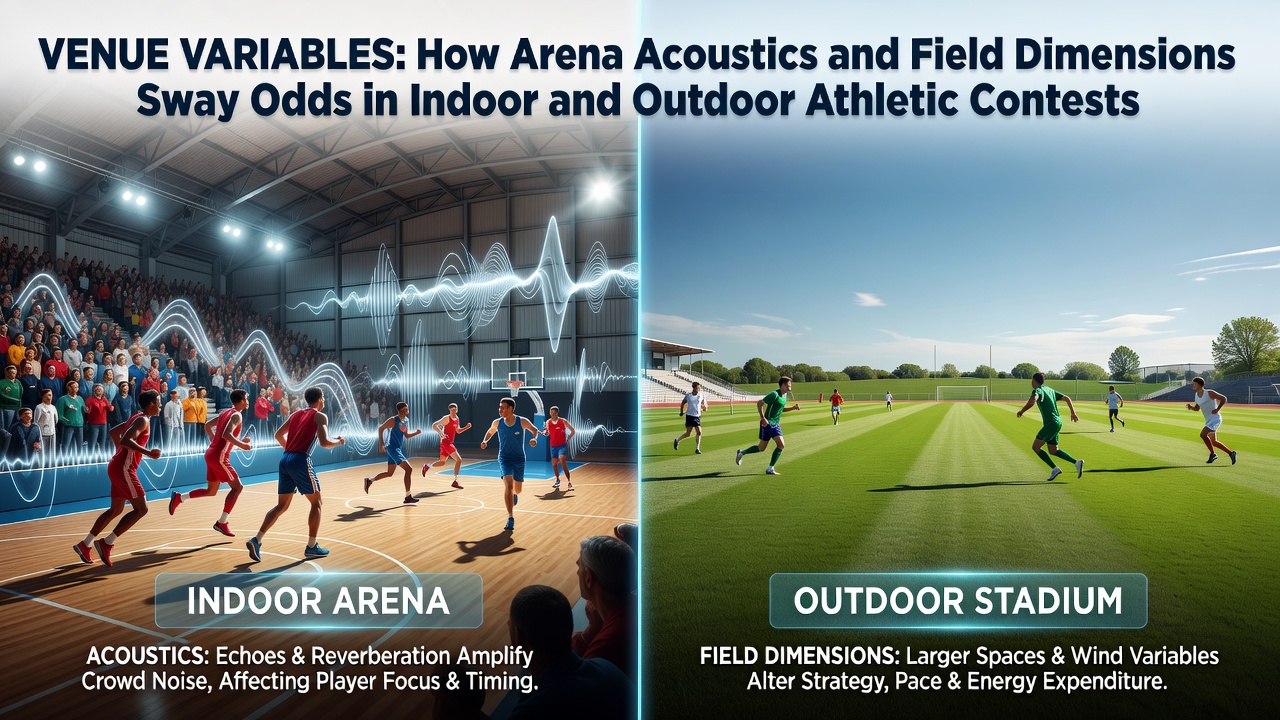
Venue characteristics shape athletic performance in measurable ways and bookmakers adjust odds accordingly across indoor and outdoor contests. Arena acoustics influence communication patterns while field dimensions alter strategic options and scoring probabilities. Data from multiple sports shows these physical elements create consistent edges that appear in pre-match and live betting markets.
Acoustic Factors in Enclosed Spaces
Indoor venues generate sound levels that range from 90 to 110 decibels during peak moments and research from the University of Michigan indicates elevated noise disrupts verbal signals between teammates. Basketball and hockey teams experience higher turnover rates in arenas known for strong home support. Observers note that visiting squads adjust play-calling systems to rely more on visual cues when crowd volume peaks. These adjustments reduce offensive efficiency and betting markets reflect the pattern through adjusted point spreads and totals.
Studies of National Collegiate Athletic Association venues reveal that arenas built with reflective surfaces amplify crowd noise more effectively than those with sound-absorbing materials. Teams that practice in similar acoustic environments maintain higher completion percentages on critical plays. Bookmakers track historical performance splits by arena type and incorporate those figures into opening lines released days before contests.
Field Dimensions and Outdoor Performance
Outdoor sports present variable playing surfaces that affect movement patterns and scoring rates. Soccer pitches approved by FIFA range from 100 to 110 meters in length yet several European leagues maintain narrower widths that compress space and increase physical contact. Data collected by the Australian Institute of Sport shows midfielders cover 8 percent more ground on wider fields while defensive units concede more shots when matches occur on narrower surfaces. Cricket grounds display even greater variation in boundary distances and these differences influence run-scoring rates recorded across test and limited-overs formats.
Baseball parks demonstrate the clearest statistical impact because outfield wall distances vary by more than 100 feet between venues. Teams with power hitters post elevated slugging percentages in smaller parks and betting totals markets adjust accordingly. Historical averages compiled over multiple seasons allow oddsmakers to fine-tune run totals before first pitch.
Interaction Between Venue and Betting Markets
Betting operators compile venue-specific databases that combine acoustic measurements with dimensional data to refine probability models. Live odds shift when early-game statistics deviate from venue norms because traders recognize that certain arenas suppress scoring while others inflate it. Accumulator markets that combine multiple games therefore require bettors to account for each venue profile rather than team form alone.

June 2026 schedules for major tournaments include several matches at venues with documented acoustic and dimensional profiles that differ from neutral-site standards. Pre-tournament odds already embed those adjustments because historical data sets show repeatable effects on goal totals and match durations. Regulatory bodies in multiple jurisdictions require operators to maintain transparent records of how venue data influences line construction.
Case Examples Across Sports
Basketball arenas in the Pacific Northwest record average sound levels above 105 decibels and visiting teams convert fewer free throws in those buildings according to conference statistics. Oddsmakers respond by adding points to road-team totals in those specific locations. Soccer matches played on the narrowest pitches in the English Championship produce higher card counts and markets on disciplinary points move in response to venue designation.
Tennis tournaments held in enclosed stadiums with low ceilings create different echo patterns than open-air courts and service percentages drop measurably in those conditions. Although court dimensions remain standardized, the acoustic environment alters player decision-making on second serves and betting markets on service breaks incorporate that variable.
Data Integration and Market Efficiency
Modern odds compilation systems ingest sensor data from wearable devices and venue monitoring equipment. When field dimensions or acoustic profiles produce repeatable deviations from league averages, models update probability distributions within minutes. Live betting interfaces display these revised numbers as in-game statistics accumulate and traders monitor whether early deviations align with known venue tendencies.
Industry reports indicate that operators who maintain detailed venue matrices achieve tighter margins because their lines more accurately reflect environmental constraints. Bettors who ignore these factors encounter systematic disadvantages when comparing prices across multiple sports and leagues.
Conclusion
Physical characteristics of venues continue to influence both athletic outcomes and the odds markets built around them. Acoustic conditions in indoor arenas and dimensional variations on outdoor fields generate measurable statistical signatures that appear consistently across seasons. Bookmakers incorporate these signatures into pricing models while participants who track venue data gain access to the same information that shapes opening lines and live adjustments.